2023 Q4 NMASLA Newsletter ͏ ͏ ͏ ͏ ͏ ͏ ͏ ͏ ͏ ͏ ͏ ͏ ͏ ͏ ͏ ͏ ͏ ͏ ͏ ͏ ͏ ͏ ͏ ͏ ͏ ͏ ͏ ͏ ͏ ͏ ͏ ͏ ͏ ͏ ͏ ͏ ͏ ͏ ͏ ͏ ͏ ͏ ͏ ͏ ͏ ͏ ͏ ͏ ͏ ͏ ͏ ͏ ͏ ͏ ͏ ͏ ͏ ͏ ͏ ͏ ͏ ͏ ͏ ͏ ͏ ͏ ͏ ͏ ͏ ͏ ͏ ͏ ͏ ͏ ͏ ͏ ͏ ͏ ͏ ͏ ͏ ͏ ͏ ͏ ͏ ͏ ͏ ͏ ͏ ͏ ͏ ͏ ͏ ͏ ͏ ͏ ͏ ͏ ͏ ͏ ͏ ͏ ͏ ͏ ͏ ͏ ͏ ͏ ͏ ͏ ͏ ͏ ͏ ͏ ͏ ͏ ͏ ͏ ͏ ͏ ͏ ͏ ͏ ͏ ͏ ͏ ͏ ͏ ͏ ͏ ͏ ͏ ͏ ͏ ͏ ͏ ͏ ͏ ͏ ͏ ͏ ͏ ͏ ͏ ͏ ͏ ͏ ͏ ͏ ͏ ͏ ͏ ͏ ͏ ͏ ͏ ͏ ͏ ͏ ͏ ͏ ͏ ͏ ͏ ͏ ͏ ͏ ͏ ͏ ͏ ͏ ͏ ͏ ͏ ͏ ͏ ͏ ͏ ͏ ͏ ͏ ͏ ͏ ͏ ͏ ͏ ͏ ͏ ͏ ͏ ͏ ͏ ͏ ͏ ͏ ͏ ͏ ͏ ͏ ͏ ͏ ͏ ͏ ͏ ͏ ͏ ͏ ͏ ͏ ͏ ͏ ͏ ͏ ͏ ͏ ͏ ͏ ͏ ͏ ͏ ͏ ͏ ͏ ͏ ͏ ͏ ͏ ͏ ͏ ͏ ͏ ͏ ͏ ͏ ͏ ͏ ͏ ͏ ͏ ͏ ͏ ͏ ͏ ͏ ͏ ͏ ͏ ͏ ͏ ͏ ͏ ͏ ͏ ͏ ͏
NMASLA
 

2025 Quarter 2: Chapter Newsletter

June 2025


LETTER FROM THE PRESIDENT

Dear NMASLA Members, 

As we enter the third quarter, I want to take a moment to reflect on the accomplishments we've achieved together and to update you on what’s ahead.


This past quarter has been particularly exciting for NMASLA. In April, we held a well-received webinar focused on forest management in headwater drainages. Our guest presenters brought valuable insights and expertise that were greatly appreciated by all who attended. Additionally, we hosted a field trip in Santa Fe that showcased innovative ways to incorporate fungi into urban environments. This hands-on experience sparked great discussions and networking among our members. We also celebrated another successful annual tournament, our Bocce tournament, which brought together members and friends for a day of fun and camaraderie.


I want to extend my heartfelt thanks to our guest presenters, sponsors, participants, and everyone who attended our events and causes. Your support is vital to our mission, and we appreciate all your contributions.


Looking ahead to the upcoming quarter, we will be sending out ballots for the 2025-2026 term. Your voice is important, and I encourage everyone to participate in the voting process. We also have a lineup of additional webinars planned, which will provide even more opportunities for professional development and engagement.


Your participation and support keep our field vibrant and relevant. I encourage you to stay connected by visiting our website at www.nmasla.org and following our social media pages for updates on our newsletters and upcoming events.


Thank you for being an essential part of NMASLA. Together, we can continue to foster a thriving landscape architecture community here in New Mexico.


Warm regards,


Arturo Merino

President, NMASLA 


THE MANY BENEFITS OF URBAN TREES

Analysis by Niko Kommenda for The Washington Post (Condensed) Updated April 23, 2025

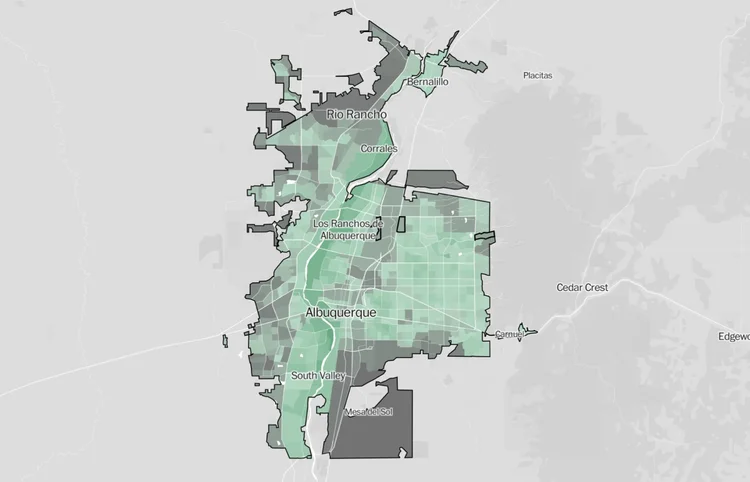
Researchers at the Arbor Day Foundation, the U.S. Forest Service and forestry consultancy PlanIT Geo have mapped tree cover across all urban areas in the country using aerial imagery and artificial intelligence. Their computer model analyzes patterns in color, shape or shadowing to detect tree crowns.


Why this issue matters:
Blistering summer heat is becoming the new normal.

In the largest U.S. cities, the number of heat waves has increased from around three per year in the 1980s to six events per year in the 2020s. Those heat waves are also getting longer and reach higher peak temperatures.­­

Trees can save lives.

On a hot summer afternoon, treeless neighborhoods get 8 to 11 degrees hotter than the greenest parts of the same city. Closing gaps in tree cover could prevent several hundred heat deaths per year.

Finding space for trees is tricky in growing cities.

Four in ten U.S. cities have lost tree cover over the last five years, often to residential development. But experts say it’s possible to build neighborhoods that are both green and dense.


Unshaded buildings and roads also keep releasing heat long after the sun has gone down. Researchers say that heat waves damage our bodies much more if they’re not broken up by cool nights.


So, where do New Mexico cities fall within the context of other major US Southwestern Cities regarding tree coverage, the local trend, and in comparison to similar cities:

CITY                             % TREE           CHANGE         SIM CITIES

Boise, ID                      19.8%              +3.1%              12.4%

Denver, CO                  16.7%              -0.1%               6.6%

Santa Fe, NM              15.4%              +1.7%              12.4%

Tucson, AZ                   14.6%              +4.5%              6.6%

Salt Lake City, UT         13.4%              +0.4%              16.4%

Albuquerque, NM      10.2%              +0.3%              9.6%

Las Cruces, NM           8.5%                +3.0%              7.7%

Phoenix, AZ                 8.5%                -0.2%               8.2%

Las Vegas, NV              6.8%                +1.6%              9.3%

El Paso, TX                   4.4%                -0.6%               10.1%


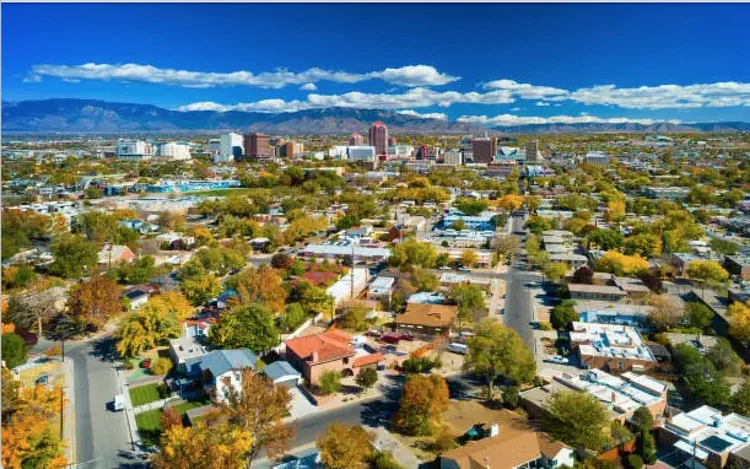
The good news is that there seems to be a growing trend to add more urban tree coverage, or maybe the trees are just maturing, but the percentage is, for the most part, increasing. Trees add enormously to our well being and enjoyment of the environment. Find places to plant more trees in your upcoming projects and share the many benefits trees bring to us with your project teams.


THE HOUSING DILEMMA

Earlier this spring, I applied to the Livable Albuquerque Fellowship Program to attend a series of workshops and presentations to explore the issues of housing and homelessness in Albuquerque. After a successful start of a similar program in Santa Fe last year, this was the first year the program was offered in Albuquerque.  There were 40 Fellows selected to participate in the program, representing a wide range of backgrounds and ages from cross Albuquerque.  The group met monthly, first with a workshop to discuss a specific topic, and then with a public presentation with a national figure that addressed the various issues of urban housing and renewal. 

After living in Chicago for 35 years (in both a lakefront high-rise and suburban single-family home) this issue was of great interest to me as it strongly influenced where I purchased my retirement home when I moved back to New Mexico. Albuquerque is facing numerous housing challenges, and it poses a particularly hard fit for some of what the nation is dealing with in terms of housing affordability and homelessness.


As the program will come to an end in June 2025, I thought I would share some of the insights I gained though this process.  There is clearly a no ‘one size fits all’ solution to these issues, and as we are a profession often called upon to participate in the design process for new housing, it seems appropriate for landscape architects to understand these topics.


·      City zoning is often at odds with housing goals, and housing density restrictions often lead to similar solutions; we need to break out of that mold and think more creatively in terms of providing a mixture of housing types and amenities within walkable communities

·      The overall goal is to see NOAH (Naturally Occurring Affordable Housing), where families move up the ladder of housing over time, creating openings at the entry levels

·      Steps to housing security:  supportive housing; subsidized housing; assisted home ownership; market rate ownership

·      We are facing a housing shortage similar to what the country faced in the Post WWII era;  currently we are about 7 million units short of need

·      There is a disconnect between housing type and income in Albuquerque;  we are building units that 80% of the current population can’t afford

·      Job loss is the biggest reason for homelessness; substance abuse is second

·      Mental health and substance abuse issues do not necessarily correlate with homelessness, however it is often the most visible population

·      There is no correlation between warmer climates and homelessness – it’s expensive to move anywhere; in California, 90% of the homeless population is from within California

·      High rents = high homelessness; low vacancy rates are an indicator of high homelessness

·      Natural barriers (mountains and bodies of water) are huge factors in housing growth and affordability because land is expensive; sprawl allows less expensive housing to be built

·      The national household composition continues to decrease, now it’s under 2 people per household for the first time – housing construction hasn’t recognized this; there are many adults living by themselves

·      Albuquerque is an anomaly in the housing dilemma – it’s population isn’t growing (nor is the state) yet new housing continues to be built, while it has seen rents increase by 54% since 2014 – what’s driving that increase in rents?

These discussions and solutions will continue to evolve, but we as landscape architects can have an impact on the quality of the final products of various housing types. Most individuals will respect a well designed and maintained environment. Make your voices heard.

Richard C. Bumstead


Click on ad to link to webpage…


UPCOMING EVENTS…..

NMASLA ExCom Elections - Voting from June 21 - July 21, 2025

NMASLA Climate Action Series - July 17, 2025 - Webinar on Place Knowing and Climate Action

ASLA National Conference - New Orlean, Louisiana, October 10-13, 2025


It’s summer! Time to enjoy the warmth.


NMASLA, 1611 Paseo de Peralta, Santa Fe, NM 87501, USA

Powered by Squarespace

Unsubscribe